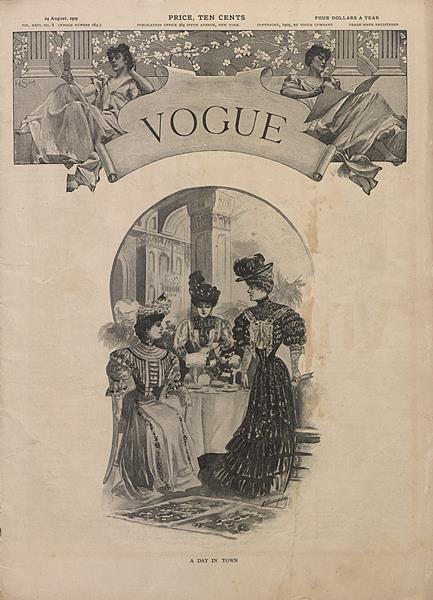
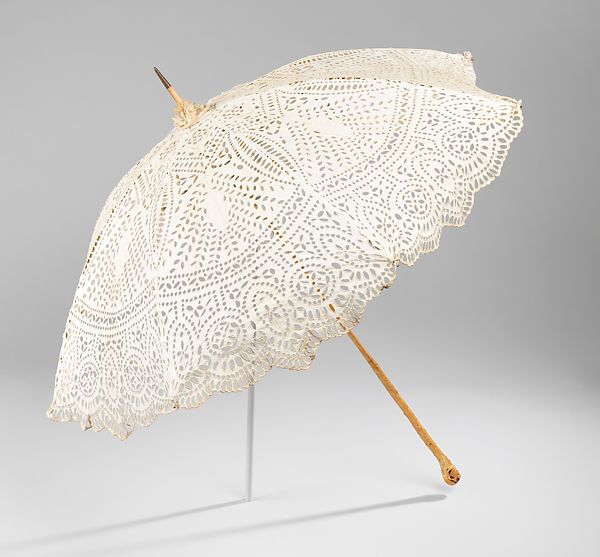
Societally, the years between 1900 and 1910 weren’t all that much different from the 19th century, and thus the kickoff of the 1900s really just felt like an extra ten years tacked onto the end of the 1800s. as somewhat of a defensive response to the industrial revolution, the upper class leaned into conservatism and patriarchal ideals (yay). unsurprisingly, clothing within those ten years reflected those ideals. conservative fashion was IN, as were styles that made one look excessively dignified. high necklines, long sleeves, skirts, layers, corsets, and parasols were the name of the game for the tea party goers of the early 1900s.
towards the end of the decade, however, feminism began to bubble underneath the surface of calm, patriarchal white collar America, and the trends subtly shifted towards infinitesimally more masculine styles. pastels slowly fell out of fashion, neutrals crept into everyday dress, as did ties (!!!) and shirts. overall, 1900-1910 was a fluffy, lacy, corseted decade for women. also during this time was the beginning of clothing manufacturers shifting from tailored clothing and opening clothing shops and warehouses, as a result of the industrial revolution. thanks to Amelia Bloomer, a suffragette of the late 19th century, bloomers were brought about, along with the colors symbolic to suffragettes. purple, which represented dignity and loyalty, green, which symbolized hope, and white, which symbolized purity. as an intelligent move on behalf of the suffragettes, these were all socially acceptable and even popular colors, which allowed them to rebel in a way that wouldn’t land them in hot water.
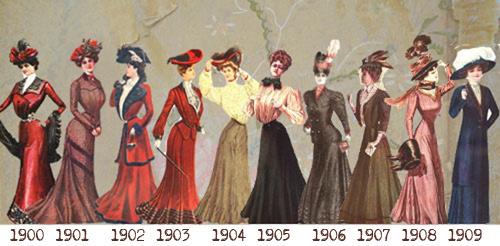
 women's fashion throughout the 1900s